Introduction
Travel preferences are changing rapidly across the world. Today’s travelers are no longer looking only for luxury hotels in crowded cities. Instead, many are choosing peaceful destinations surrounded by nature, privacy, and unique experiences.
This shift has created massive growth in eco-tourism.
From forest retreats to plantation stays, eco-tourism has become one of the fastest-growing segments in the travel industry. For investors, this opens up an entirely new category of opportunity one that combines hospitality, nature, and long-term asset value.
At Yess Alba, we combine sandalwood plantation investment with eco-luxury cottages in Wayanad, creating a model designed for both lifestyle and long-term income potential.
What is Eco-Tourism?
Eco-tourism focuses on travel experiences connected to:
- Nature
- Sustainability
- Local culture
- Peaceful environments
- Responsible tourism
Unlike traditional tourism, eco-tourism emphasizes experiences rather than just accommodation.
Travelers today want:
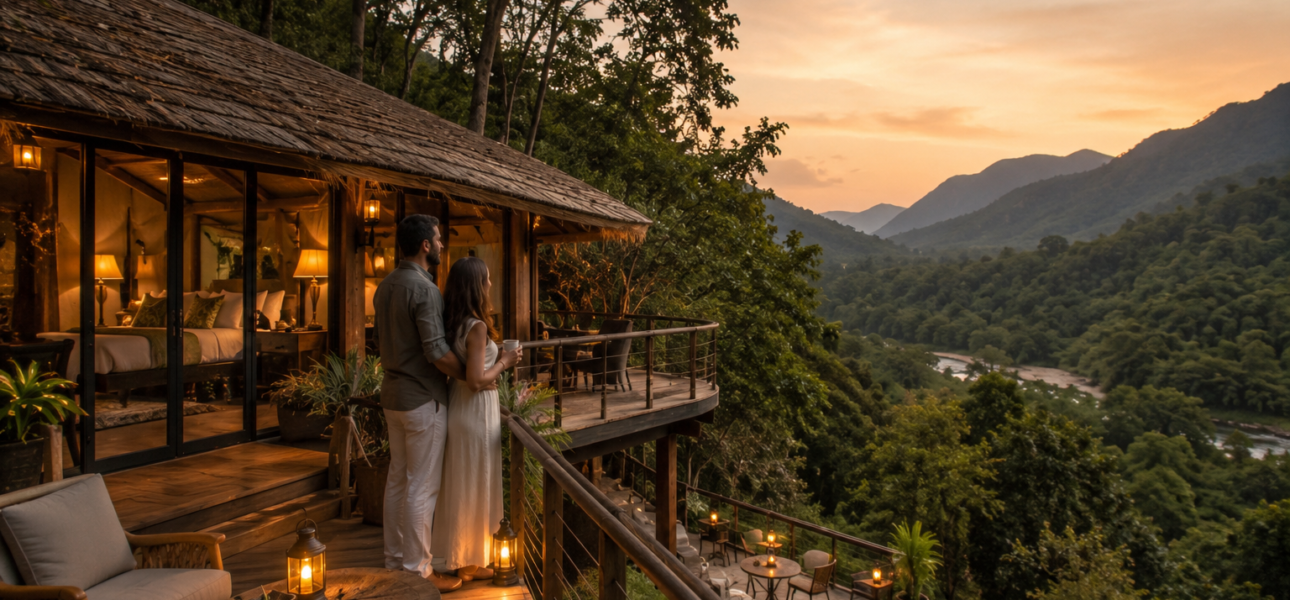
- Forest stays
- Private cottages
- Nature retreats
- Wellness experiences
- Quiet destinations
This increasing demand is driving growth in eco-tourism destinations across India.
Why Eco-Tourism is Growing
Several factors are contributing to this trend:
1. Urban Lifestyle Fatigue
People living in busy cities are actively searching for peaceful escapes.
2. Social Media Influence
Nature stays and private resorts have become highly desirable experiences online.
3. Wellness & Mental Health Awareness
Travelers are prioritizing relaxation, privacy, and natural surroundings.
4. Demand for Unique Experiences
Modern tourists prefer personalized stays instead of crowded hotels.
Combining Investment with Tourism
Traditional land investments usually remain inactive until resale.
But tourism-integrated investments create the possibility of:
- Active asset utilization
- Rental income generation
- Better property engagement
At Yess Alba, selected plans include:
- Premium cottages
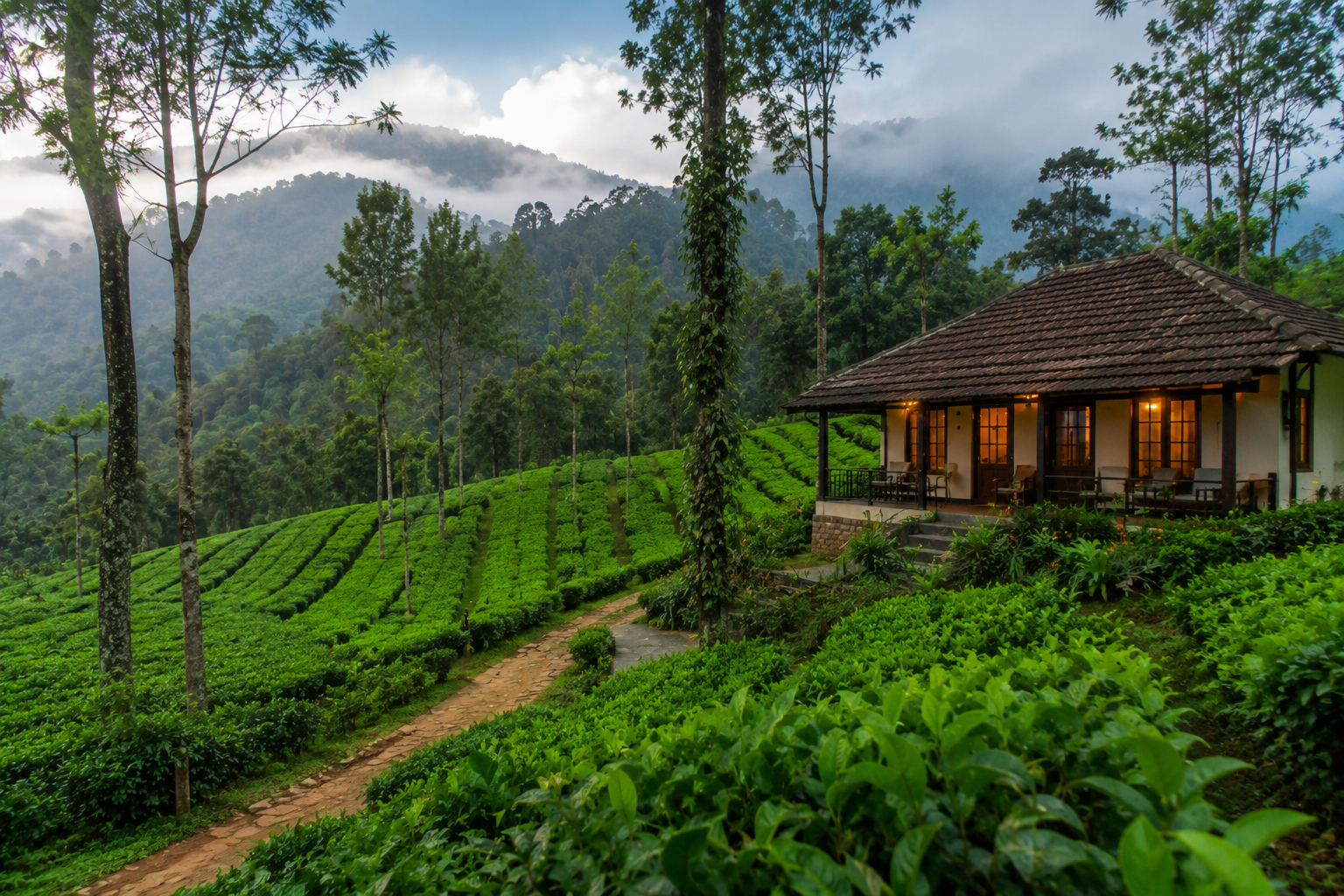
- Optional private pools
- Plantation surroundings
- Tourism-focused development
This creates a dual-purpose investment:
- Long-term asset growth
- Hospitality income potential
Why Managed Hospitality Matters
Managing tourism properties independently can be difficult.
That’s why structured management systems are important.
Professional management helps with:
- Guest operations
- Maintenance
- Bookings
- Property upkeep
- Experience consistency
This makes the investment more practical for owners.
Conclusion
Eco-tourism is no longer a niche category. It is becoming a major part of the future of hospitality and experiential travel.
For investors, this creates opportunities that combine:
- Land ownership
- Tourism demand
- Nature-focused experiences
- Long-term asset potential
At Yess Alba, we aim to create a balanced ecosystem where plantation investment and eco-tourism work together to generate long-term value.